
8 Key Processes in Sweater Manufacturing
Step#1 Design and Pattern Making
Design and pattern making is a foundational stage where creativity meets precision, setting the tone for the entire sweater manufacturing process. Here are the key actions required:
- Trend Analysis:We start with a thorough investigation of current fashion trends and future style forecasting. We create a mood board with images, colors, and textures that match the design vision to guide the entire design process.
- Sketching and Illustration:We then bring the design concept to life through detailed sketching and illustration. We explore various design elements—such as silhouettes, necklines, and sleeve styles—to create a visual foundation for pattern making.
- Fabric and Trim Selection:Once we finalize the design sketches, we choose suitable fabrics and trims. We consider the sweater’s purpose, seasonality, and desired texture to ensure the final product aligns with the design vision and meets market expectations.
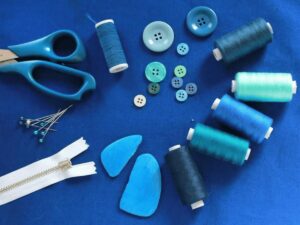
- Technical Specification Sheet Creation: Technical specification sheet for the design is developed. This document includes the measurements, construction notes, and finishing details, serving as a comprehensive guide for the pattern maker and production team.
Step#2 Yarn Selection
Transitioning from the initial design and pattern-making, yarn selection is vital in determining the texture, appearance, and overall quality of the sweater. Here are the aspects to consider during this stage:
- Fiber Type:We identify the sweater’s desired characteristics—such as warmth, softness, or durability. We then select the best fiber type (wool, cotton, synthetic, or a blend) to match these requirements.
- Color Choice: We review the design concept and seasonality to choose yarn colors. Selecting the perfect color to bring the design to life is always exciting. We use color swatches to match the palette accurately and ensure consistency across production batches.
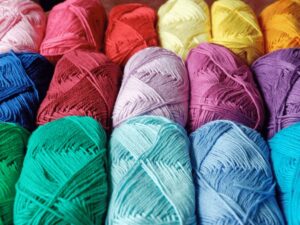
- Yarn Weight: We determine the yarn weight to complement the design’s texture and drape. We consult yarn weight charts to match the pattern’s specific requirements and achieve the desired outcome.
- Sustainability: If sustainability is a priority, we select yarns from eco-friendly materials or processes, using certifications that verify suppliers’ sustainability claims.
Step#3 Yarn Preparation
Afte the careful selection of yarn, its preparation is essential for ensuring it is ready for the knitting phase. Here are the fundamental tasks that need to be undertaken to prepare the yarn for manufacturing:
- Winding: The yarn is wound onto cones to facilitate ease of use during the knitting process. This ensures that the yarn feeds smoothly into the knitting machines, preventing snags and ensuring consistency in the knitting tension.
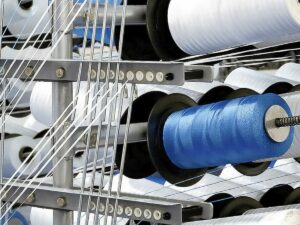
- Twisting: To enhance the yarn’s strength and texture, twisting is performed. This involves combining two or more strands of yarn, which not only contributes to the durability of the finished sweater but also can introduce interesting textural elements.
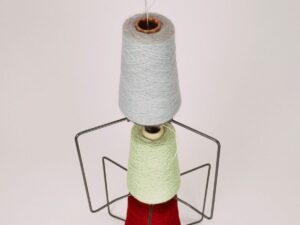
- Dyeing: If the yarn hasn’t been dyed previously, it is now colored to match the design specifications. The dyeing process is carefully managed to achieve uniform color saturation and to ensure that the yarn’s quality is not compromised.
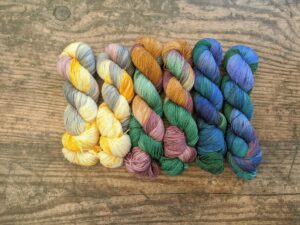
- Quality Check: The yarn undergoes a detailed examination where it is checked for uniformity, color consistency, and any signs of defects. This is crucial to prevent any issues from arising during the knitting phase, ensuring the final product meets the desired standards.
Step#4 Knitting
Moving beyond the yarn preparation, the knitting phase transforms the prepared yarns into the various components of a sweater. Here are the detailed processes within this critical phase:
- Knitting Machine Setup: Knitting machines are set up according to the specific design needs. Settings are adjusted to match the pattern and yarn type. These machines are vital in this process, given the expected 4.0% CAGR market growth from 2022 to 2030, as per Research and Markets.
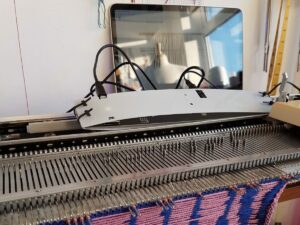
- Panel Knitting: Individual parts of the sweater, such as the front, back, and sleeves are knitted following the design pattern closely, paying attention to size and shape ensuring they fit together smoothly in later stages.
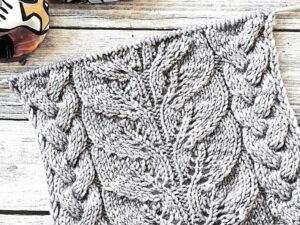
- Pattern Integration: As we knit each panel, we integrate the design elements specified in the pattern, such as cable knits or color blocks.This requires adjusting the knitting machine or manually changing yarns to create the desired patterns and textures.
- Dimension Control: Throughout the knitting process, we continuously measure each knitted piece against the pattern’s specifications. This ensures that each part of the sweater will fit as designed, preventing any issues during assembly.
- Detailing: After we knit the main parts, we add detailed finishes such as ribbing at the cuffs, hem, and neckline.This often requires switching to different knitting techniques or attachments to achieve the precise look and feel dictated by the design.
Step#5 Assembling and Linking
After the meticulous process of knitting, the next stage is assembling and linking, transforming separated knitted panels into a complete garment. Here are the essential tasks to be carried out during this phase:
- Piece Layout: We arrange the knitted sections on a flat surface according to the assembly plan. This organization helps ensure each piece is in its correct position for smooth assembly.
- Seaming: We use a specialized linking machine to join the pieces together. It gently unifies all parts into one complete sweater, like a perfect finish. We carefully align edges and seams for a neat look and accurately maintain the sweater’s shape.
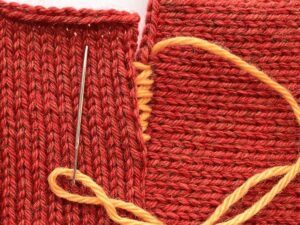
- Neckline Finishing: We then attach the neckline or collar to the main body. This requires careful stitching to ensure the neckline fits well and adds to the sweater’s aesthetic appeal. Hongyu Apparel integrates great precision in this process, enhancing the overall quality and appeal of the garment.
- Sleeve Setting: We attach the sleeves to the armholes of the sweater’s body. Proper alignment is essential here to ensure that the sleeves allow for comfortable movement and a perfect fit.
- Final Assembly Check: After we assemble all pieces, we conduct a thorough garment check to ensure correct construction and that the sweater meets design specifications.
Step#6 Finishing Touches
Following the meticulous assembly of sweater components, finishing touches is vital for enhancing the garment’s aesthetic and ensuring its market readiness. Here are the key actions to take at this stage:
Step#7 Quality Control and Inspection
Once we apply the finishing touches, we move into quality control and inspection to ensure every product meets the industry’s highest standards. Here are the key tests we implement:
- Dimensional Check: We measure each sweater against its design specifications to ensure it matches the intended size. We use a ruler or measuring tape to check dimensions including length, width, and sleeve length, confirming they align with the pattern’s measurements.
- Visual Inspection: We thoroughly examine each sweater for visual flaws such as misaligned patterns, loose threads, or color variations. We meticulously check every garment, turning it inside out if needed, to identify defects that could harm its appearance.
- Performance Testing: We test sweaters for durability and wash resistance. We may subject garments to repeated wash cycles or wear simulations to evaluate durability, fabric resilience, and colorfastness, ensuring the product maintains quality over time.

- Final Approval: If a sweater passes all the tests, it receives final approval, confirming its readiness for the next stage in the process. Seeing a garment makes it through approval feels rewarding. We send back any items that fail for adjustments, or mark them for rejection.
Step#8 Packaging and Distribution
Upon ensuring each sweater passes the strict criteria, the focus shifts towards preparing the product for its final journey to the customer in packaging and distribution. Here are the steps involved:
- Labeling: Affix labels detailing care instructions and brand identity to each sweater. Physically attach the labels to the garments. Leverage Hongyu Apparel’s expertise to showcase your brand’s commitment to quality and consumer information through this step.
- Folding and Packaging: Fold sweaters methodically to maintain their form, then place them into transport-specific packaging. Secure each sweater within the packaging material to ensure safe handling during transit.
- Inventory Management: Record packaged sweaters in your inventory system. Enter product details into the database to track the location and quantity of stock in real-time.
- Shipping: Finally, dispatch the sweaters to their designated destinations. Meticulously plan every detail of this journey for each shipment. Select dependable couriers and optimized shipping methods to guarantee the quick and safe arrival of your products.
Conclusion
Understanding the essential steps of sweater manufacturing reveals the meticulous craftsmanship behind every piece. This guide serves as a crucial resource, equipping businesses with the knowledge to enhance their fashion line through this manufacturing process.
If you’re looking to elevate your sweater collection, partner with ZSO, a leading manufacturer known for premium sweater production. Contact us to explore how we can bring your designs to life.