< img height="1" width="1" style="display:none;" alt="" src="https://px.ads.linkedin.com/collect/?pid=9033620&fmt=gif" />

Different Types of Fabric: A Complete Guide for Buyers & Businesses

Different Types of Fabric: A Complete Guide for Buyers & Businesses

Fabric is everywhere in our daily lives—from the sweatshirts we wear to the doormats we use. With countless fabric materials available on the market, understanding the different types of fabric is essential for businesses, tailors, and everyday consumers alike.
Knowing your fabrics helps you make smarter purchasing decisions, choose the right material for the right occasion, and avoid costly mistakes. In this expert guide, we break down all major fabric types, their key benefits, limitations, and best uses—so you can buy and source with confidence.

What Is Fabric? A Simple Definition

Fabric is the foundational material used to make clothing, home textiles, and industrial products. It is made by spinning fibers into yarn, then weaving or knitting the yarn into a flexible, usable material.
Most fabrics are measured by GSM (grams per square meter), which determines weight, thickness, durability, and final cost. Whether you’re sourcing for apparel, wholesale, or manufacturing, fabric quality directly impacts your product’s performance and value.

Two Main Categories of Fabric

All fabrics fall into two core categories: natural fabrics and synthetic fabrics.

1. Natural Fabric

Natural fabrics are made from plant, animal, or insect-based materials found in nature.

They are known for breathability, comfort, and sustainability.

2. Synthetic Fabric

Synthetic fabrics are man-made in factories and labs using chemical processes.

They offer durability, stretch, wrinkle resistance, and cost efficiency.

Below are the most popular, widely used fabric types in the global textile and apparel industry.

Types of Natural Fabrics

Cotton

Cotton is the most versatile and widely used natural fabric in the world.

Derived from cotton plants, it is soft, breathable, and highly absorbent—making it ideal for summer clothing.

Benefits:
  • Ultra-breathable & sweat-wicking
  • Sustainable & biodegradable
  • Easy to wash and maintain
  • Suitable for all types of apparel
Limitations:
  • Limited stretch compared to synthetics
  • May shrink if not pre-washed
Common Uses:
T-shirts, shirts, dresses, polo shirts, loungewear, bedding, denim basics
Grow Cotton

Wool

Wool is one of the oldest and most reliable natural fibers, sourced from sheep, goats, and other fleece-producing animals.
Benefits:
  • Excellent thermal insulation
  • Temperature-regulating for cold weather
  • Naturally odor-resistant
  • Durable and long-lasting
Limitations:
  • Requires special care (hand wash or dry clean)
  • Can be itchy for sensitive skin
Common Uses:
Coats, sweaters, cardigans, hats, scarves, winter suits

Silk

Silk is a luxury, high-end natural fiber produced by silkworms.

Famous for its smooth texture and elegant shine, silk has a rich history dating back thousands of years to ancient China.

Benefits:
  • Luxurious, soft, and lightweight
  • Natural sheen and drape
  • Breathable and skin-friendly
Limitations:
  • High cost
  • Delicate and requires careful care
Common Uses:
Bridal wear, evening dresses, sarees, high-end fashion, lingerie

Linen

Linen is a strong, durable natural fiber made from the flax plant.

Often mistaken for synthetic fabric, linen is actually 100% natural.

Benefits:
  • Highly breathable & cool
  • Stronger and more durable than cotton
  • Eco-friendly and biodegradable
Limitations:
  • Wrinkles easily
  • Heavier than cotton
Common Uses:
Summer dresses, shirts, tablecloths, beachwear, casual apparel
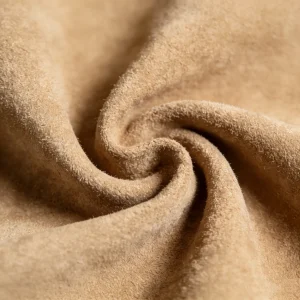
Soft suede fabric texture for men's casual jackets - premium material for custom outerwear


Types of Synthetic & Semi-Synthetic Fabrics

Polyester

Polyester is one of the most widely used synthetic fabrics in the apparel industry.

Often called a “miracle fabric,” it is affordable, durable, and low-maintenance.

Benefits:
  • Extremely durable & wrinkle-resistant
  • Low cost for mass production
  • Holds color and shape well
Limitations:
  • Less breathable than natural fibers
  • Non-biodegradable
Common Uses:
Sportswear, jackets, uniforms, blended fabrics, outdoor apparel

Spandex (Lycra / Elastane)

Spandex is famous for its exceptional stretch and recovery.

It is rarely used alone—instead blended with other fabrics to add flexibility.

Benefits:
  • Stretches up to 500% and returns to shape
  • Lightweight and comfortable
  • Improves fit and mobility
Common Uses:
Leggings, activewear, swimwear, denim, fitted clothing

Nylon

Nylon was one of the first synthetic fibers ever invented.

Originally used for parachutes and tents, it is now a staple in outerwear and sportswear.

Benefits:
  • Strong, lightweight, and quick-drying
  • Resistant to wrinkles and mildew
  • Affordable for bulk manufacturing
Common Uses:
Windbreakers, rain jackets, swimwear, sportswear, backpacks

Rayon (Artificial Silk)

Rayon is a semi-synthetic fabric made from plant cellulose.

It mimics the look and feel of silk at a lower price.

Benefits:
  • Soft, silky, and breathable
  • Drape well for dresses and blouses
  • Affordable alternative to silk
Common Uses:
Blouses, dresses, sarees, loungewear, lining fabric

Satin

Satin is not a fiber—it’s a weave structure known for its glossy, smooth surface.

Traditionally made from silk, modern satin is often produced from polyester for cost efficiency.

Benefits:
  • Luxurious shine and drape
  • Smooth on one side, matte on the other
  • More affordable than pure silk
Common Uses:
Bridal gowns, evening wear, lingerie, bedding

Popular Specialty & Blended Fabrics

Denim

Denim is a sturdy cotton twill fabric, one of the most iconic materials in modern fashion.

Most denim is made from 100% cotton or blended with spandex for stretch.

Uses: Jeans, jackets, shirts, workwear

Chiffon

Chiffon is a lightweight, sheer fabric often made from polyester, nylon, or silk.

It flows beautifully and is widely used for formal and ethnic wear.

Uses: Evening dresses, sarees, blouses, overlays

Georgette

Georgette is a sheer, lightweight fabric with a subtle crinkle texture.

It is popular in South Asian fashion and celebrity-style clothing.

Uses: Sarees, dresses, ethnic wear, party outfits

Velvet

Velvet is a plush, luxurious fabric with a soft, dense pile.

It offers a premium look for winter and formal wear.

Uses: Jackets, dresses, gowns, home decor

Organza

Organza is a thin, stiff, sheer fabric often used for structure and volume in high-fashion garments.
Uses: Wedding gowns, sarees, blouses, party wear

Cotton Fleece

Cotton fleece is soft on one side and warm on the other.

It provides great insulation without excessive weight.

Uses: Tracksuits, hoodies, loungewear, sweatshirts
Grow Cotton

Leather & Faux Leather (Vinyl/PVC)

  • Genuine Leather: Made from animal hides, durable and premium.
  • Faux Leather (Vinyl/PVC): Animal-friendly, affordable, and water-resistant.
Uses: Jackets, belts, bags, shoes, accessories

Lace

Lace is a delicate, decorative fabric known for elegance and femininity.

It requires careful handling but adds high aesthetic value.

Uses: Dresses, tops, lingerie, bridal wear

Blended / Mixed Fabrics

Blended fabrics combine two or more fibers to enhance performance, reduce cost, and improve durability.
Examples:
  • Poly-cotton
  • Poly-chiffon
  • Poly-georgette
  • Cotton-spandex
Benefits:
  • Better durability
  • Lower production cost
  • Improved comfort and performance

How to Choose the Right Fabric for Your Business

For wholesalers, manufacturers, clothing brands, and B2B buyers, choosing the right fabric means:
  • Understanding your target market
  • Matching fabric to season and use
  • Balancing quality, cost, and durability
  • Working with trusted, reliable suppliers
Whether you’re making casual wear, activewear, formal apparel, or workwear, the fabric you choose directly impacts customer satisfaction, repeat orders, and your brand reputation.

Where to Source High-Quality Fabric Wholesale

For businesses looking to buy fabric in bulk, partnering with a professional, experienced textile supplier is critical.
A trusted fabric manufacturer will:
  • Offer a wide range of natural and synthetic fabrics
  • Provide consistent quality and GSM control
  • Support custom colors, weights, and finishes
  • Offer competitive pricing for bulk orders
Always check supplier reviews, certifications, and sample quality before placing large orders.

Conclusion

Fabric is the foundation of every clothing and textile product.

From natural fibers like cotton, wool, and silk to synthetic options like polyester, spandex, and nylon, each fabric has unique strengths and ideal uses.

By understanding the different types of fabric, you can:

  • Make smarter sourcing decisions
  • Improve product quality
  • Reduce production costs
  • Satisfy more customers
If you’re looking for reliable fabric supply, custom manufacturing, or wholesale pricing for your apparel brand, contact our expert team today for a personalized quote and solution.