
Pure Cotton vs Cotton Blend Shirts: A Complete Guide for Bulk Buyers
1. Introduction: Why Distinguish Pure Cotton & Cotton Blend Shirts Matters
Everyone prefers comfortable, high-quality apparel, and shirts are no exception. As a bulk apparel buyer, wholesaler, or brand owner, choosing the right fabric directly affects your product positioning, customer satisfaction, and profit margins.
Manufacturers produce shirts with two main cotton-based materials: pure cotton and cotton blend. Many buyers confuse these two fabrics, leading to inappropriate bulk purchases, low customer retention, and wasted procurement costs.
Pure cotton shirts stand for premium quality, while cotton blend shirts offer cost-effectiveness and practical durability. Both fabrics own unique performance and target different market demands.
In this professional guide, we break down the core differences between pure cotton vs cotton blend shirts, helping you make data-driven bulk purchasing decisions and maximize your business revenue.
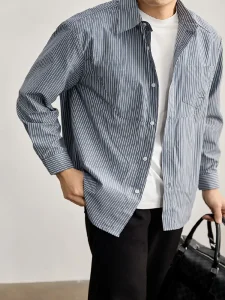

2. Overview: What Are Pure Cotton & Cotton Blend Shirts?
2.1 What Is Pure Cotton?
Pure cotton shirts are made of 100% natural cotton fiber, extracted from cotton plants. With a history dating back to the 1770s in the textile industry, cotton has been a classic natural fabric for centuries.
It is widely favored for its exceptional softness and breathability, but the natural harvesting and processing make pure cotton a higher-cost material.
2.2 What Is Cotton Blend?
Cotton blend shirts combine natural cotton with synthetic fibers, such as polyester, spandex, nylon, acrylic, and modal. Common ratios include 60% cotton + 40% polyester, with cotton as the dominant base material.
Synthetic fibers emerged in the 1940s-1950s, produced chemically for specific functional properties. Manufacturers blend fibers to enhance durability, elasticity, wrinkle resistance, and reduce production costs.
3. Key Differences Between Pure Cotton and Cotton Blend Shirts
We compare the two fabrics from 7 core dimensions critical for bulk apparel buyers: comfort, durability, wrinkle resistance, moisture wicking, color retention, skin-friendliness, and cost.
3.1 Comfort & Breathability
Pure Cotton Shirts
- Natural ultra-soft fiber, skin-friendly and irritation-free
- High air permeability, perfect for hot weather and daily wear
- Premium tactile sensation, suitable for high-end product lines
Cotton Blend Shirts
- Slightly rougher texture due to synthetic fibers
- Lower breathability, ideal for cold or chilly weather
- Comfort level is inferior to pure cotton but meets basic daily needs
3.2 Durability & Longevity
Pure Cotton Shirts
- Soft but fragile, easy to deform after prolonged use
- Prone to damage with improper washing (hot water, harsh cleaning)
- Shorter service life compared to blended fabrics
Cotton Blend Shirts
- Reinforced by sturdy synthetic fibers, highly durable
- Resistant to frequent washing and regular daily use
- Longer service life, reducing replacement costs for end-users
3.3 Wrinkle Resistance
Pure Cotton Shirts
- High wrinkle tendency, requires frequent ironing
- Loses smoothness quickly after wearing, high maintenance cost
Cotton Blend Shirts
- Excellent shape retention and wrinkle resistance
- Minimal ironing needed, easy to care for
- Maintains a neat appearance all day long
3.4 Moisture & Sweat Wicking
Pure Cotton Shirts
- Absorbs moisture but slow to dry, easy to become damp
- Not ideal for high-sweat scenarios like sports or outdoor activities
Cotton Blend Shirts
- Outstanding moisture-wicking performance
- Synthetic fibers repel moisture, accelerate evaporation
- Keeps dry in hot weather, suitable for casual and sportswear
3.5 Color Retention
Pure Cotton Shirts
- Prone to color fading after repeated washing and sun exposure
- Requires careful washing and ironing to maintain color
Cotton Blend Shirts
- Synthetic fibers lock in color effectively
- Slow color fading, even with long-term use and sun exposure
- Better color stability for bulk inventory storage
3.6 Allergies & Skin Sensitivity
Pure Cotton Shirts
- 100% natural fiber, non-irritating for sensitive skin
- Reduces allergy risks, perfect for infants, kids, and skin-sensitive groups
- High-value selling point for high-end and health-focused markets
Cotton Blend Shirts
- Synthetic fibers may cause discomfort for highly sensitive skin
- Poor air permeability may increase skin irritation risks
- Suitable for general consumer groups without skin issues
3.7 Cost & Affordability
Pure Cotton Shirts
- High raw material and processing costs
- Premium pricing, suitable for high-margin, high-end markets
- Higher procurement cost for bulk orders
Cotton Blend Shirts
- Low-cost synthetic fibers reduce overall production cost
- Budget-friendly bulk procurement price
- Ideal for low-to-mid market, promotional products, and large-volume orders
4. Which One to Choose for Your Bulk Order?
There is no universal best fabric—your choice depends on your target market, brand positioning, and budget.
Choose Pure Cotton Shirts If You:
- Target high-end consumers, luxury apparel markets, or corporate premium gifts
- Prioritize comfort, skin-friendliness, and product premiumness
- Serve customers with sensitive skin (kids, elderly, allergy sufferers)
- Have sufficient procurement budget for high-quality products
Choose Cotton Blend Shirts If You:
- Operate in the low-to-mid apparel market or wholesale business
- Need durable, low-maintenance, and cost-effective products
- Focus on promotional items, workwear, sportswear, or daily casual shirts
- Have a tight bulk procurement budget and pursue high cost-performance
Professional Suggestion for Bulk Buyers
For a diversified product portfolio, we recommend mixing pure cotton and cotton blend shirts in your bulk order. This strategy covers different customer groups, expands your market share, and balances profit and sales volume.
5. FAQs About Cotton & Cotton Blend Shirts
Q1: Can cotton blend shirts cause skin allergies?
A1: For normal skin, cotton blend shirts are safe. For highly sensitive skin, synthetic fibers may cause mild irritation due to low breathability. We recommend testing samples before bulk orders.
Q2: Do cotton blend shirts shrink like pure cotton?
A2: Cotton blend shirts shrink much less than pure cotton. Synthetic fibers stabilize the fabric structure and maintain shape well after washing.
Q3: What are the pros and cons of pure cotton shirts for bulk buyers?
A3: Pros: premium feel, high comfort, great breathability, skin-friendly. Cons: high cost, low durability, easy wrinkling, quick color fading.
Q4: What are the pros and cons of cotton blend shirts for bulk buyers?
A4: Pros: low cost, high durability, wrinkle-resistant, slow color fading. Cons: inferior comfort, possible irritation for sensitive skin, non-premium positioning.
6. Conclusion: Customize Your Shirts With Professional Manufacturers
Pure cotton and cotton blend shirts both have irreplaceable advantages in the apparel market. As a bulk buyer, understanding their differences helps you align products with market demands, reduce procurement risks, and improve customer loyalty.
To get the best quality and pricing for your bulk shirt orders, partnering with a reliable professional apparel manufacturer is the key. Experienced manufacturers can customize fiber ratios, fabrics, designs, and processing to match your brand and market needs.
7. Get A Free Bulk Quote Now
Are you planning to place a bulk order for pure cotton or cotton blend shirts?
Contact us today to get:
- Free fabric sample
- Customized fiber blend ratio solution
- Exclusive bulk wholesale price
- Professional design and production proposal
- Fast delivery guarantee
Leave your product requirements and contact information, our sales manager will reply to you within 8 hours!